

Crop protection does not end with harvest
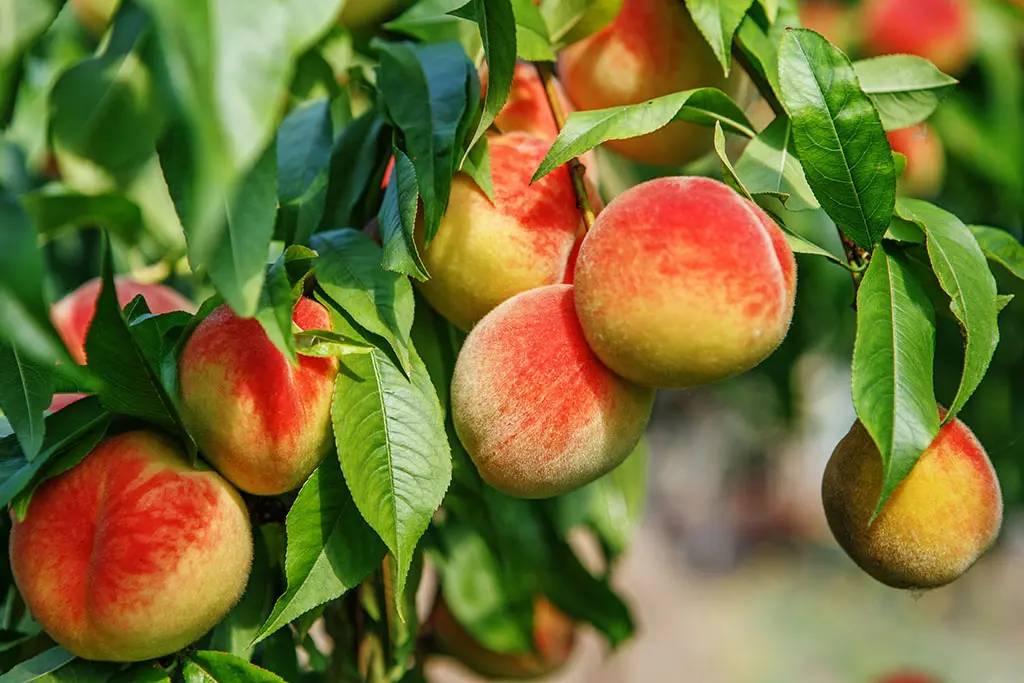
Every living organism has its own strategy for surviving the winter dormancy period. Some animals develop a thicker layer of fat beneath their skin, some retreat below the soil surface or seek other forms of shelter, while others survive the harsh season in a life stage specifically adapted for this purpose. Of course, it is not only animals and plants that prepare for winter; people do as well. They gather firewood or replenish strategic natural gas reserves. Farmers maintain their machinery to prevent damage to sprayer pumps, filter housings and nozzles. But is there really nothing to be done in crop protection?
In our warming climate, autumn also provides favourable conditions for pathogens to multiply. Following harvest, several months may pass without any crop protection treatments, allowing previously controlled fungi—which required considerable effort and expense to suppress—to reproduce without restriction. Many of these pathogens overwinter in large numbers, while some can even multiply during winter, such as the pathogen responsible for peach leaf curl above 4°C (Taphrina deformans), or cause infections, such as the pathogen responsible for bacterial canker of apricot (Pseudomonas syringae pv. syringae). In any event, they enter spring with large quantities of reproductive structures and create considerable infection pressure.
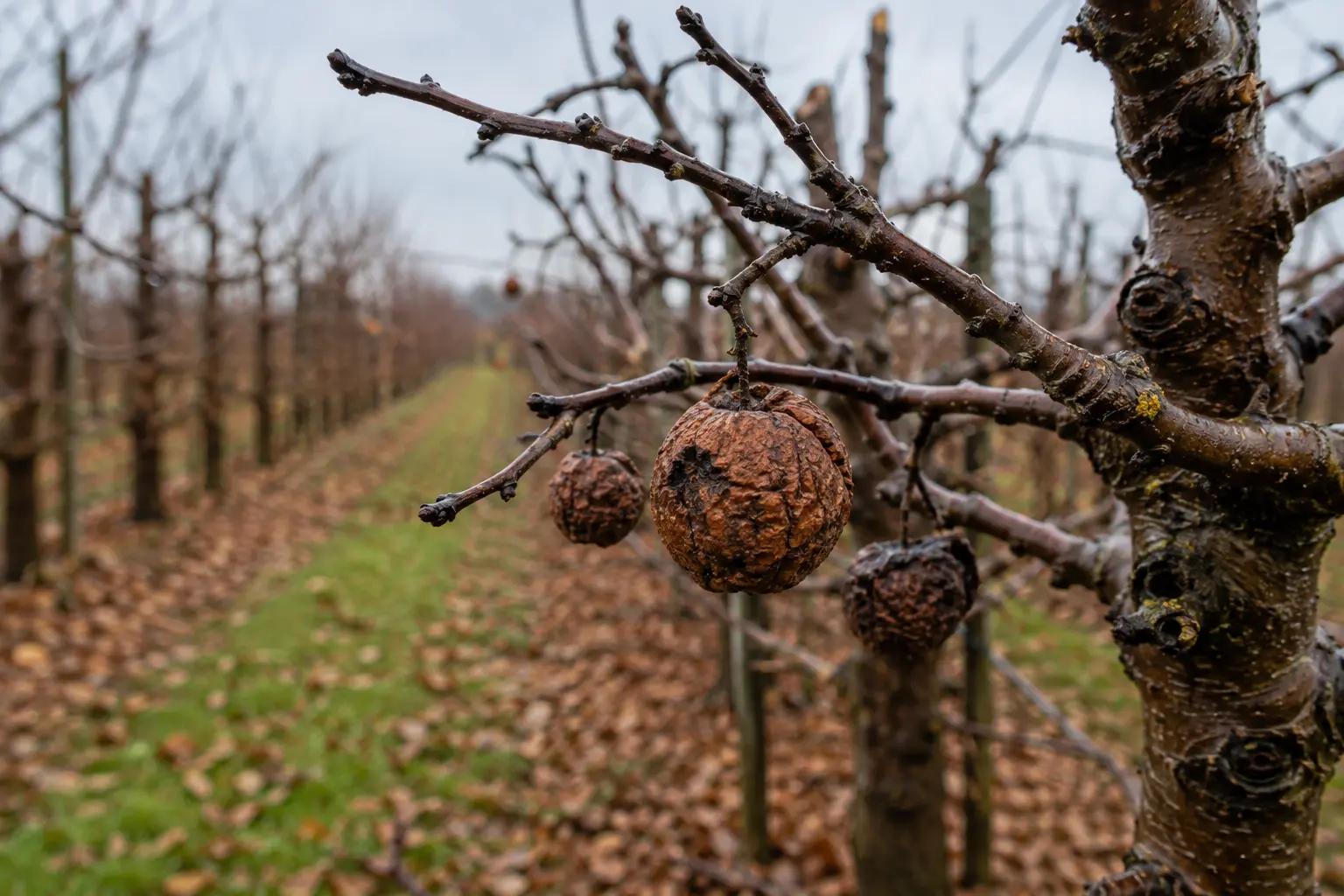
Nearly a century of experience has shown that dormant-season spraying is one of the most important preventive crop protection measures in a spray programme. In recent years, however, this practice has largely been limited to late-winter dormant spraying. Spring or late-winter dormant spraying is an appropriate treatment—provided that it can be carried out. As our climate becomes more extreme, rapid spring warming increasingly causes us to miss the optimal treatment period. When this happens, pathogens are able to spread through the crop without restriction.
It is therefore timely to reconsider the scheduling of dormant-season spraying, with particular attention to autumn treatments. The increasingly prolonged autumn period provides an ideal opportunity to reduce pathogens hiding on the surfaces of shoots, around wounds and within cracks in the bark. In virtually every fruit crop—including pome fruits, stone fruits, nuts, berries and grapes—several pathogens can be effectively controlled using the active ingredients applied during autumn dormant spraying. Autumn treatment should be carried out with a high spray volume from the beginning of leaf fall.
When reviewing the relatively limited range of dormant-spray products, several factors must be considered when selecting the right product. Firstly, it is beneficial for the product to contain more than one active ingredient, as several different groups of pathogens may need to be controlled simultaneously. Secondly, environmental considerations must also be taken into account. The metallic copper content of dormant-spray products must be added to the amount of copper applied during the growing season. The combined amount must not exceed 6 kg/ha and, under EU regulations, this limit is expected to be reduced further in the future.
Based on practical experience, Vegesol eReS meets all the above requirements. This popular, freely available dormant-spray product contains copper and sulphur active ingredients in an oil-based formulation. Under the Vegesol eReS brand, we have combined all the biological effects expected from both autumn and spring dormant spraying, creating an ideal product for dormant-season treatments: Vegesol eReS.